What the Latest Safe Sleep Guidance Actually Changed
Parents are passing updated infant sleep recommendations around with a lot of distortion attached. A plain reading of the guidance, and the products to stop using.
By Hannah Doyle
Last update: 2 min read
Parents have been passing updated safe sleep guidance around their groups for a fortnight, stripped of context and often with a product recommendation attached. Some of them now repeat claims the guidance never made.
Nothing here is new
These recommendations carry the strongest evidence of anything here, and they have held for years. Read the list again even though you know it.
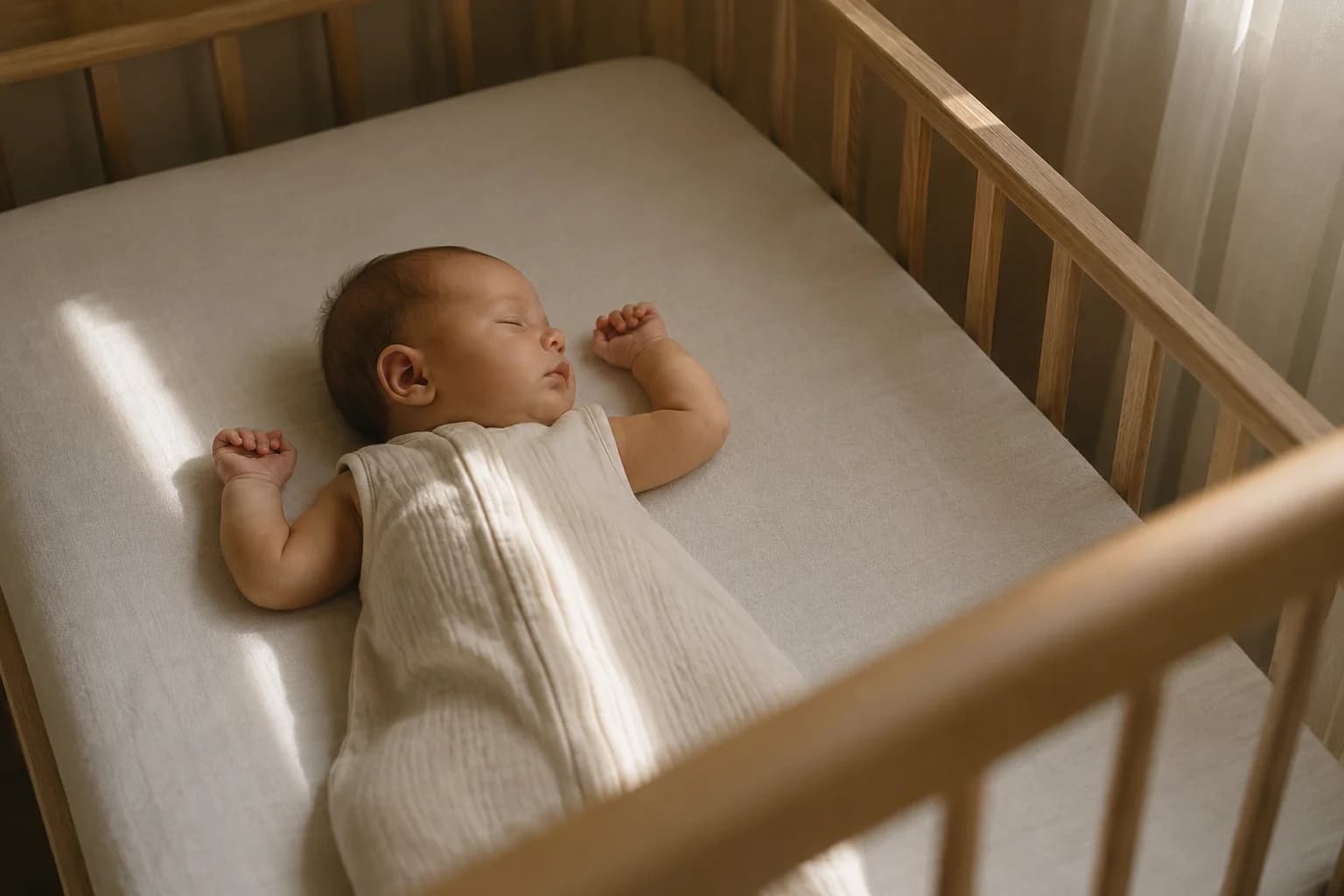
- Back to sleep, for every sleep, by every caregiver, until the first birthday
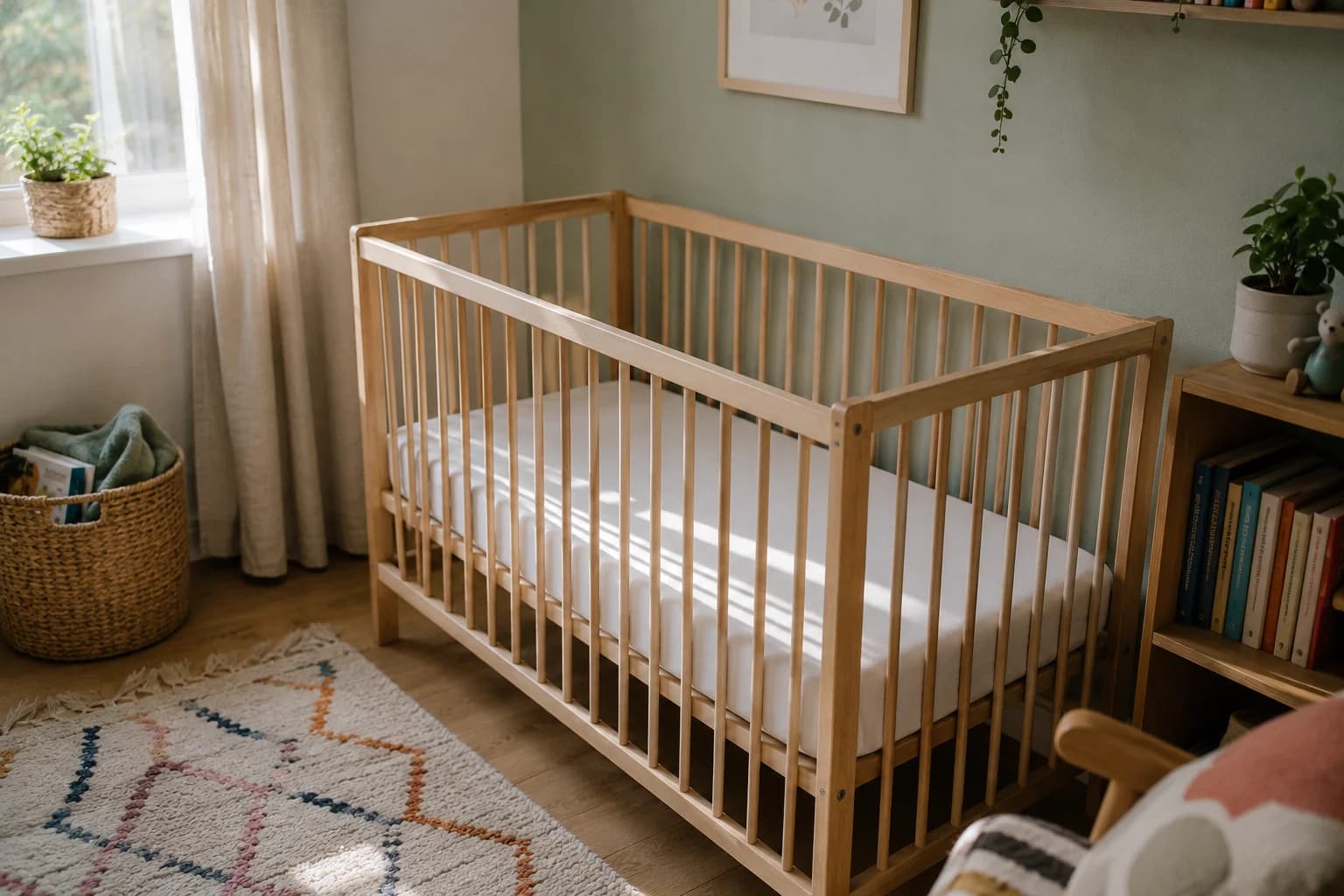
- Firm, flat, non-inclined surface designed for infant sleep
- Nothing else in the sleep space. No pillows, bumpers, loose blankets or soft toys
- Room sharing without bed sharing, ideally for at least six months
- Avoid smoke exposure, and avoid overheating
Reviewers sharpened three points
Weighted sleep products carry the clearest message. The AAP advises against weighted swaddles, sleep sacks and blankets for infants, on the basis that added weight on an infant's chest is a plausible risk and no manufacturer has made the safety case. Several large retailers have withdrawn them.
Inclined and non-flat surfaces. Any product that positions a sleeping infant at an incline is not a safe sleep surface. That covers swings, bouncers, loungers and car seats outside the car. Babies fall asleep in all of them. Move your baby to a flat firm surface when you reasonably can, and skip the panic.
Sofas and armchairs. Falling asleep with an infant on a sofa or armchair carries substantially higher risk than a bed does. If night feeds leave you fighting sleep, feed in a bed you have cleared of pillows and bedding.
If you already own one of these
If you have a weighted sack, stop using it for sleep. Same for an inclined sleeper. Skip the retrospective guilt: researchers published new evidence and the committees updated their advice, which is the process working.
Once your baby starts rolling, stop swaddling, whatever the swaddle is made of. Our guide to when babies roll over covers the timing and what to use instead.
One caveat
This is general information about published recommendations rather than advice about your baby. Infants with reflux, prematurity, or particular medical conditions sometimes have individualised guidance from their own clinician. Follow that over anything you read here.
Frequently asked questions
Are weighted sleep sacks safe?
Professional guidance advises against weighted swaddles, sacks and blankets for infants. Several major retailers have withdrawn them.
Can my baby sleep in an inclined seat?
No. Inclined sleepers are not safe sleep surfaces. If your baby falls asleep in a swing, bouncer or car seat, move them to a flat firm surface when practical.
When can my baby have a blanket?
Current guidance is to keep soft bedding out of the sleep space for the first year. A sleep sack is the usual alternative.
Sources
- 1.Safe Sleep – Recommendations — American Academy of Pediatrics (accessed Jul 24, 2026)
- 2.Sudden Unexpected Infant Death and Sudden Infant Death Syndrome — Centers for Disease Control and Prevention (accessed Jul 24, 2026)